
OUR WORK
>>Strategic Consulting <<>> Powerful Coaching << >>Transformative Programs<<
Strategic Consulting
Imagine Us consultants and facilitators approach organizational change work by explicitly unearthing and addressing systems of oppression that hinder the ability of all people within an organization to bring their brilliance in pursuit of the organization's mission.
Vision + Strategy. We help leaders and organizations sharpen their vision, illuminate the path toward it, navigate challenges, capitalize on opportunities, and increase their effectiveness.
Equity + Inclusion. When we consult on strategy, facilitate teams, navigate conflict between organizations, or any other types of strategic consulting - we bring a racial justice lens. In an era where people are stepping back from “DEI”, we recognize it is always a central factor in achieving justice, building power, and making hard choices.
Alignment + Culture. We help people build a community that leverages the heart, inspires excitement for the work, and harnesses the ingenuity and intelligence of every member, so that good things happen.
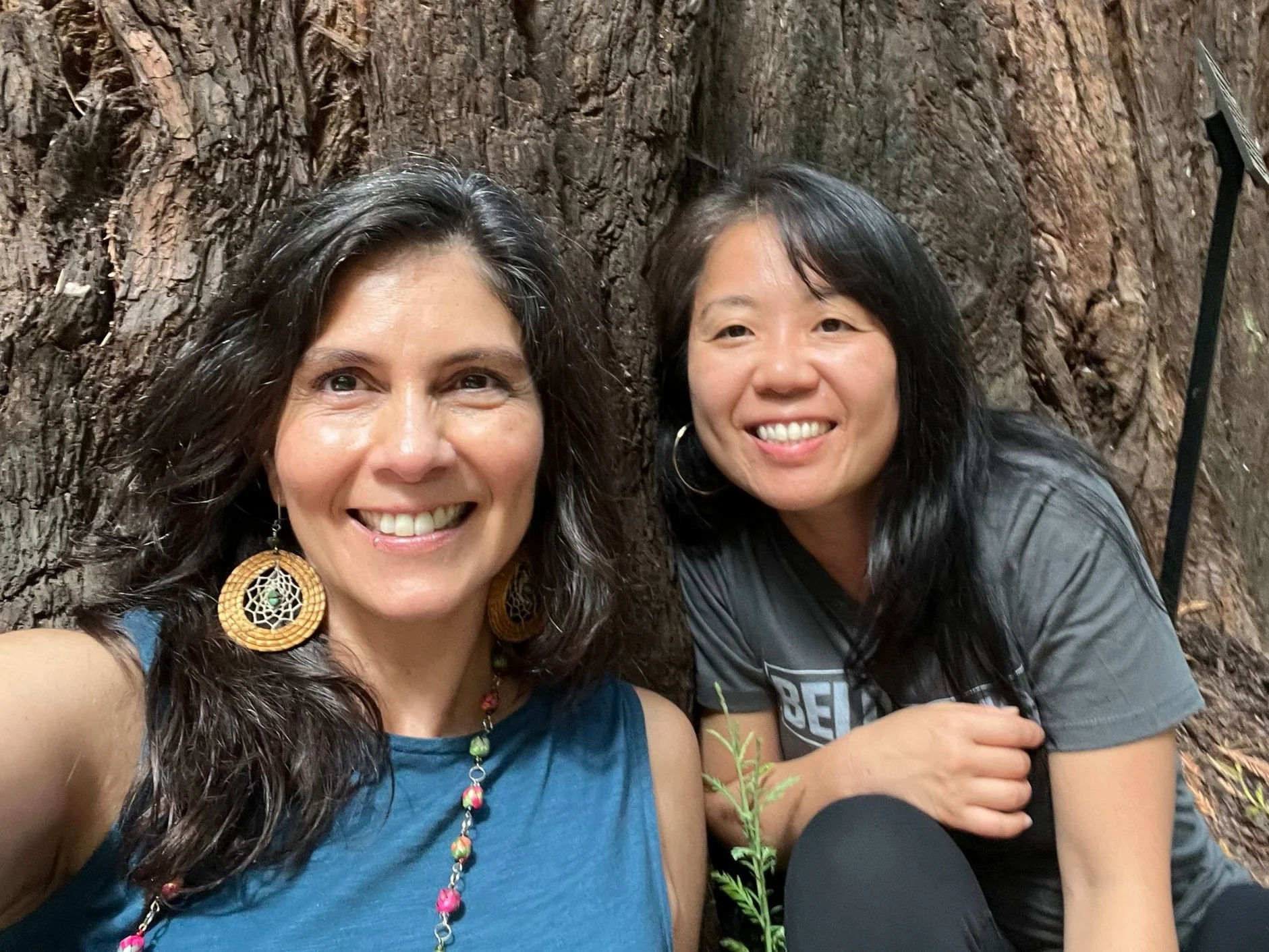
As NFG prepared for a major leadership transition, it brought in Imagine Us consultants Kim Freeman Brown and Katie Unger to help undo a pattern of abbreviated tenures and painful exits of the past three Executive Directors, all of whom were women of color. What transpired was a two-year journey of accountability and action.
With Imaigne Us’ help, NFG decided on a four-part journey, which included the following steps:
Leadership History: Exploring and gleaning lessons from its history of leadership-- with an emphasis on looking at that history through the lens of race and gender equity;
Leadership Models: Evaluating different leadership models in the progressive philanthropic and movement organization sector to determine which best suited NFG in this season of its history;
Exploration of Identity: Engaging NFG stakeholders in discussing perennial questions about its identity; including its changing membership base and the broader context in which it works;
Naming the current state: Creating shared understanding of NFG’s organizational health, challenges, opportunities, and priorities, and then sharing that analysis with potential new leaders as part of its transition process.
WHAT WE LEARNED
Structural Changes
Created a “ruthlessly realistic,” more sustainable new leadership structure with clarity about the two, distinct equally visible and important external and internal roles the leaders are expected to play, responsive to the true demands and opportunities of the role.
New hiring practice including early engagement of a recruiter, deeper staff engagement, and willingness to pause and collaborate.
There is a need for an adequately staffed and consistently supported executive leadership.
Used the OD/T process to practice sharing power as a newly unionized organization that will continue in the co-president model.
The board adopted an “onboarding and ongoing” orientation to cultivate a clear, sustained working relationship between the board and new leaders.
Cultural Changes
Finding new ways to act upon our intersectional equity and inclusion lens at all levels of the organization.
A high value on transparent leadership at all levels at NFG
Rigorous assessment of the organization’s current state and pathways to address challenges as a condition of success.
Naming and addressing the invisible labor put on BIPOC women leaders to caretake at the expense of their own personal needs
Creating opportunities for staff and board to learn about the new leadership structure, their relationship to it, and their role in contributing to its success.
Honoring the hardest parts of our leadership history with acknowledgment and applying lessons to our future work and organization structure and culture
Collective engagement of stakeholders by creating ways for board, staff and member leaders to work together in ways that build and strengthen trust that is useful beyond the OD/T process.
Being willing to face the past by being in genuine conversation with former leaders to hear and see them - especially their invisibilized contributions and the hardest parts of their experience; and co-creating resolution (if desired)
Acknowledgment with the sector of how our systems, practices and culture impacted the experience of former leaders - you can’t fix what you can’t face.
Doing things differently – bringing the recruiter into the OD/T process before the hiring process began; new leadership model (for now, maybe not forever), Board onboarding and ongoing commitment
Sharing what we’re learning - beyond the organization for transparency, accountability and hopefully for the benefit of the field.
Investment in accountability and action and structural resilience is costly (time and financial resources). The questions are: What’s the cost of our inaction and who pays for the lack of investment? And, what’s the likely return on investment now and or the future of social movements?
The practice of accountability and action among movement organizations and philanthropy
Coordination to build structural resilience across the ecosystem of movement leaders and organizations
Experimentation with supportive peers around organizational transformation that not only meets the moment but also creates our desired future.
There is no “right” leadership model.
It’s about choosing the right model for the org at the moment and working to ensure its success.
Lessons include:
From Leadership History: We discovered how systems, practices, and culture resulted in abbreviated tenures and difficult exits. Elements of the structure and culture that needed attention include: challenges in the hiring process; inadequate understanding of the organization’s state; challenges of navigating staff unionization; and lack of ongoing board engagement.
From Leadership Models Research: We learned that no form of leadership or structure is a fix-all. What’s most important are: clarity, explicitness, and intention in roles; attention to equity, power and balance; developing a clear plan for transition and support; designing for resilience in changing conditions; a strong financial cushion; and, a strong organizational culture.
From Exploration of Identity: Understanding of the unique form of NFG - a network set of aligned programs working with relative autonomy and a supportive infrastructure. Further, we learned that we need to clarify and make transparent where power lies in influencing priorities and strategic direction.
From Examining NFG’s Current State: Using hiring as an opportunity to go beyond the surface and explore everything you can about the organization. NFG discovered that gaps in knowledge were not intentional, but signaled the Board’s lack of deep understanding about aspects of the org’s sustainability.